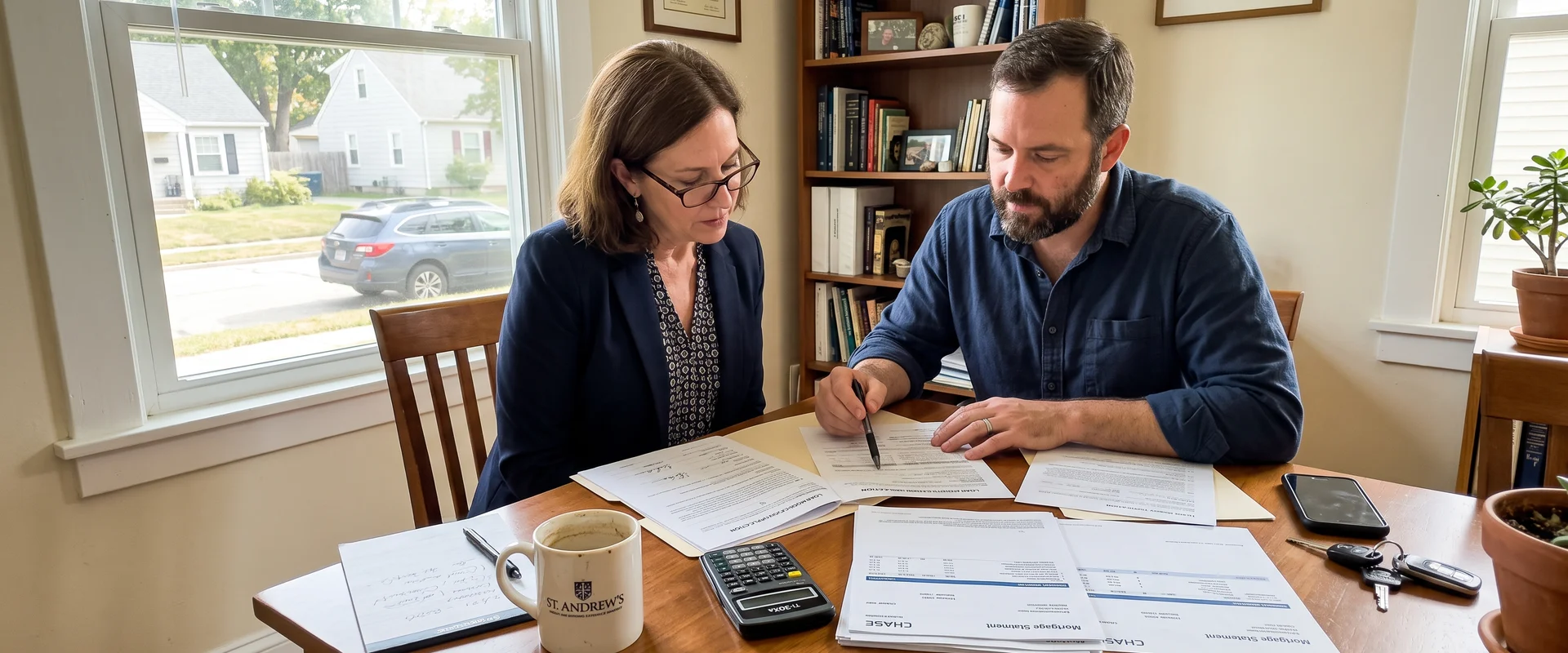
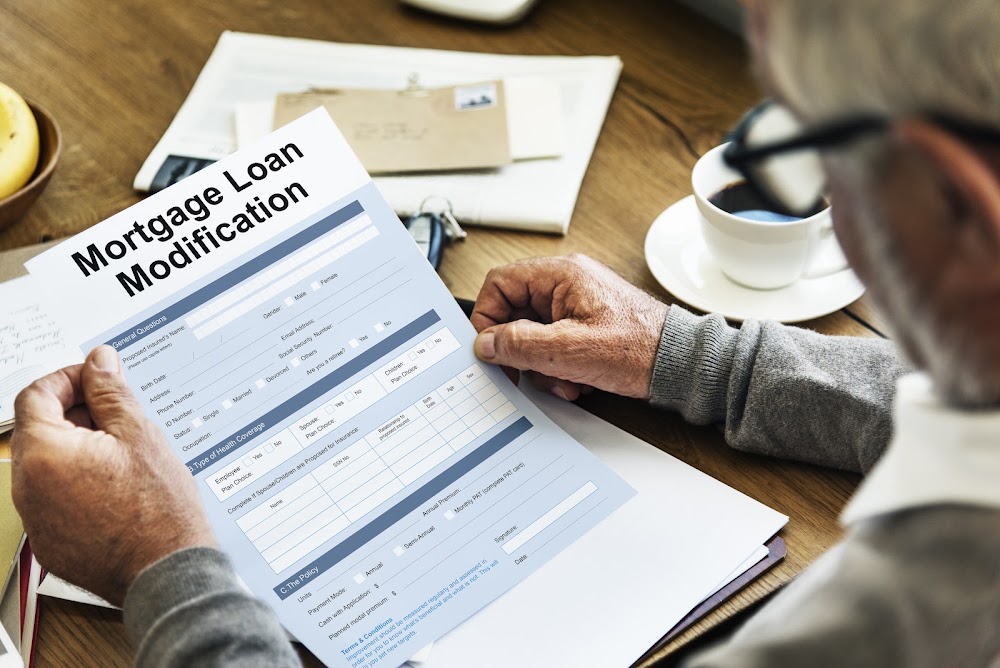
Loan modification and loss mitigation work covers the legal options a homeowner has before a foreclosure case ends in a sheriff's sale: negotiating a modified payment plan with the servicer, applying for forbearance, arranging a short sale or deed in lieu of foreclosure, or defending against a servicer's failure to properly review a modification application. In New Jersey, this often runs alongside the state's mandatory foreclosure mediation program, where an attorney can push back on paperwork errors, missing income documentation, or a servicer that drags out review timelines while interest and fees pile up.
New Jersey has 70 attorneys and firms in this category, ranging from solo practitioners who focus on a handful of towns to larger consumer-defense firms that handle cases statewide. That range matters because loss mitigation isn't just contract review, it's negotiation against loan servicers who don't always respond quickly or accurately, and a lawyer's familiarity with a given servicer's habits can shorten a case by months.
What to look for
- Direct experience with foreclosure mediation in New Jersey's Superior Court program, not just general real estate or bankruptcy work.
- A clear fee structure explained upfront, whether flat-fee, hourly, or contingent on a successful modification.
- Responsiveness, since servicer deadlines and document requests move fast and a slow attorney can cost a homeowner the case.
- Familiarity with your servicer or loan type (FHA, VA, conventional), since the rules for review and appeal differ.
Our ranked guide to New Jersey foreclosure attorneys orders firms using a consistent scoring approach, explained in full on our methodology page, so you can compare firms on more than a star rating alone.