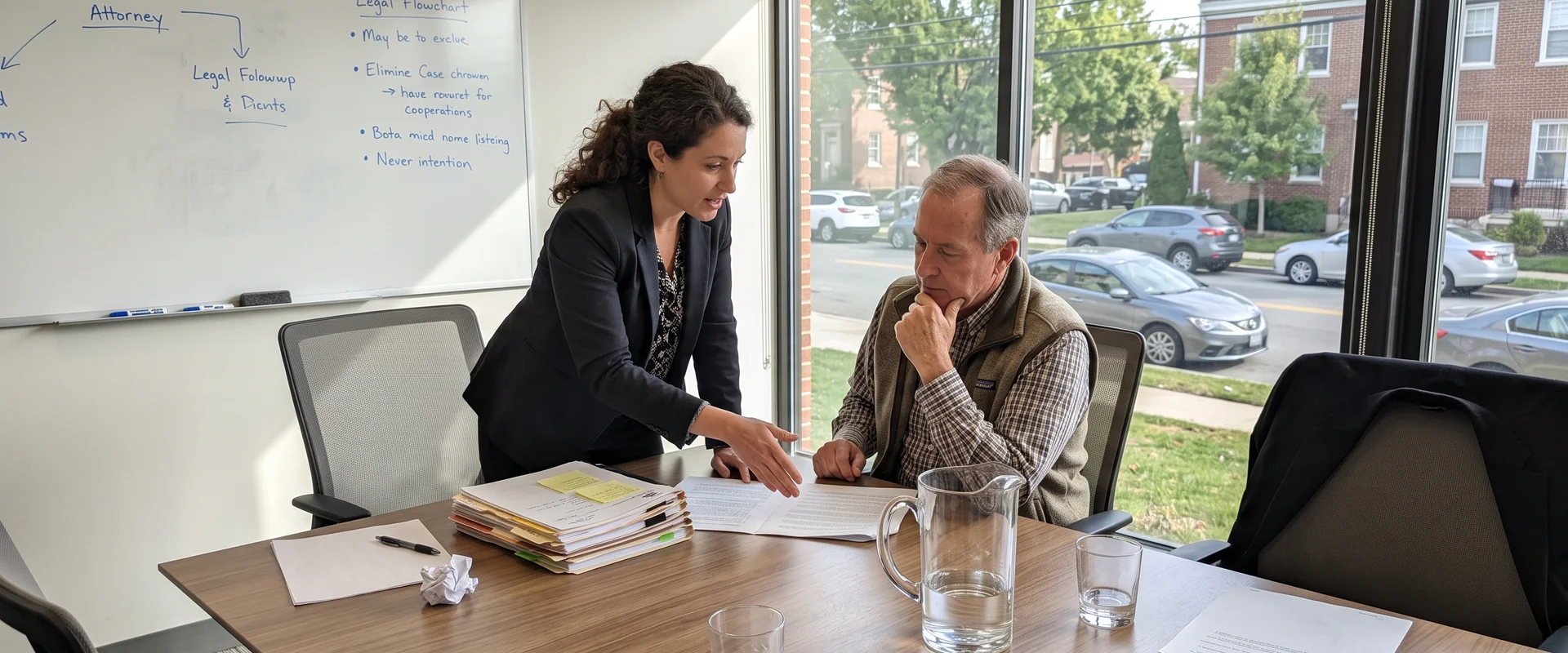
Consumer Debt & Collection Defense in United States
Compare 11 consumer debt and collection defense attorneys. Learn what they handle, what to look for, and how our scoring ranks the field.
Consumer debt and collection defense covers the legal work that kicks in when creditors, debt buyers, or collection agencies start pursuing a homeowner, usually alongside or ahead of a foreclosure case. Attorneys in this category respond to collection lawsuits, challenge deficiency judgments, negotiate with debt buyers who bought a defaulted loan for pennies on the dollar, defend against wage garnishment, and push back on Fair Debt Collection Practices Act (FDCPA) violations like harassment, false statements, or attempts to collect debt that's outside the statute of limitations. For homeowners, this work often overlaps directly with foreclosure defense, since a lender can pursue both the property and a deficiency balance after a short sale or sheriff's sale.
When you're comparing attorneys in this category, look for a few concrete things: direct experience with debt buyers and collection agencies (not just original lenders), a track record of getting suits dismissed or settled for less than the amount claimed, familiarity with your state's statute of limitations on debt (this varies widely and can be the whole case), and clear talk about fees upfront. Some firms work on flat fees for answering a collection suit, others bill hourly for ongoing negotiation or litigation. Ask what happens if the case goes to trial versus settles early, and whether the attorney has handled FDCPA counterclaims, which can sometimes offset what you owe.
Our scoring weighs verified credentials, case outcomes, responsiveness, and client feedback across the 11 firms listed here, so you can compare them on more than a search result and a website. For the full ranked breakdown, see our best foreclosure attorneys guide, and for how we build these rankings, check our methodology.
Connect with consumer debt & collection defense
Free and no obligation. Tell us what you're facing and we'll match you with the right legal team in your area.
All consumer debt & collection defense, ranked by score and relevance
30 businesses. The order weighs each business's overall score by how much of its reviewed work is consumer debt & collection defense, so a lower-scored specialist can rank above a higher-scored generalist. Filter and sort below, or open the full map view.














When you submit a quote or contact form here, your enquiry may be passed to one or more partner providers to complete the work. We may receive a referral fee for these introductions, but our rankings and scores are based solely on our published methodology and are never affected by referral fees.
Common questions about consumer debt & collection defense
- How much does a consumer debt defense attorney cost?
- Flat fees to respond to a collection lawsuit typically run a few hundred to around $1,500, depending on complexity and your state. Ongoing negotiation or litigation is often billed hourly, or some firms take deficiency-judgment cases on contingency if there's a strong FDCPA counterclaim. Get a written fee agreement before signing on.
- When do I actually need this kind of attorney?
- Get one involved as soon as you're served with a collection lawsuit, receive a summons over a deficiency balance after foreclosure or short sale, or start getting calls that cross into harassment. Missing a response deadline on a collection suit can lead to a default judgment, so timing matters more than in most legal matters.
- What should I expect during the process?
- Expect an initial review of the debt's paperwork (has it been sold multiple times, is it past the statute of limitations, can the plaintiff even prove they own it), then either a negotiated settlement, a motion to dismiss, or a formal answer and litigation. Many collection cases settle before trial once the defense raises documentation gaps or FDCPA issues.
- How do I judge whether an attorney is any good at this?
- Ask how many collection or deficiency cases they've handled in the last year, what portion ended in dismissal or reduced settlement, and whether they've brought FDCPA counterclaims. A lawyer who only mentions bankruptcy as the fallback option probably isn't focused on this niche.
Guides to choosing consumer debt & collection defense
- What happens if a foreclosure sale doesn't cover the debt
What a deficiency judgment is, when a lender can pursue one after a foreclosure sale, and the practical steps for responding if you're facing one.