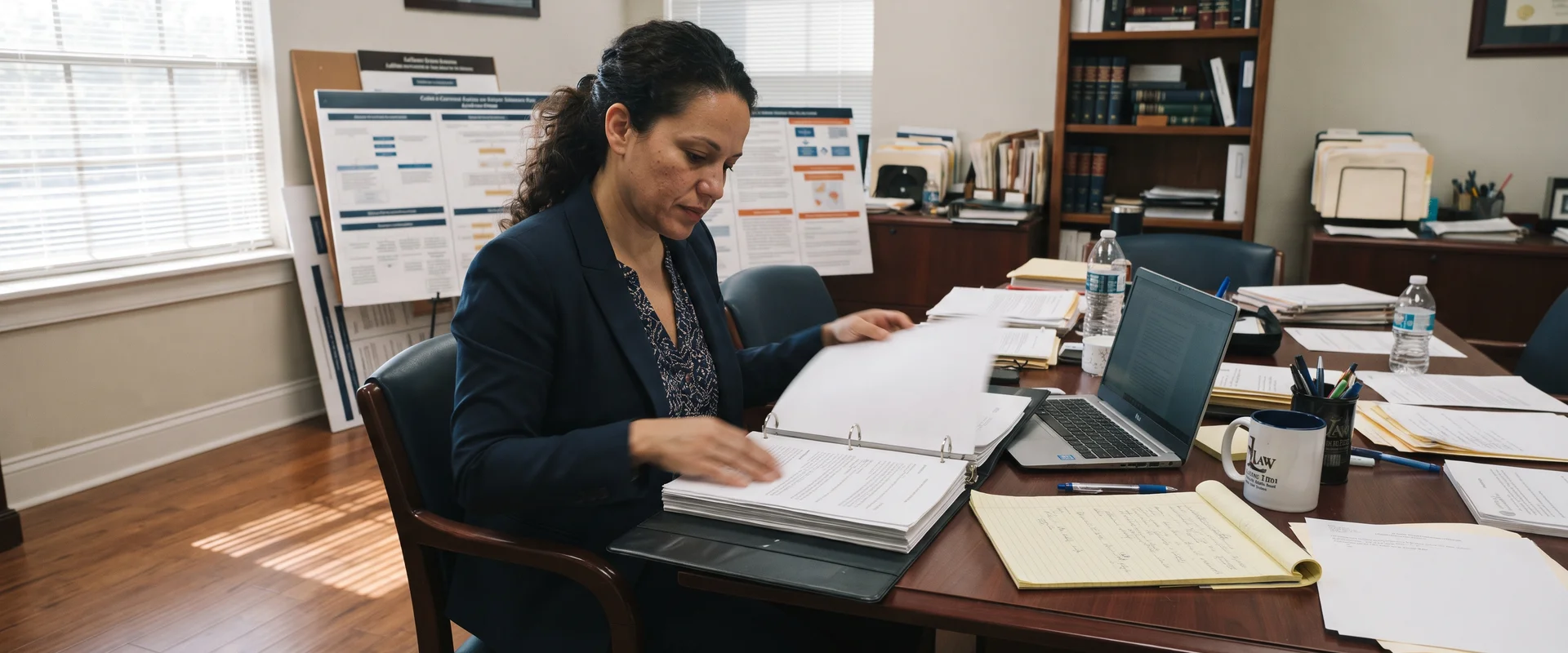
Foreclosure Defense & Litigation in United States
Compare 14 foreclosure defense and litigation attorneys. See what defense work involves, what to look for in counsel, and how we score firms.
Foreclosure defense and litigation covers the legal work of stopping, slowing, or fighting a foreclosure once a homeowner has fallen behind on payments and the lender has started (or threatened) the process. This includes challenging the lender's standing to foreclose, auditing loan servicing records for errors, filing responses to a foreclosure complaint or answering a summons, negotiating loan modifications or forbearance agreements, representing homeowners in mediation, and litigating wrongful foreclosure or servicer misconduct claims in court. In judicial foreclosure states this means active courtroom litigation; in non-judicial states it often means emergency motions to stop a trustee's sale plus negotiation with the lender. This category lists 14 firms and solo practitioners who take on this kind of work.
What to look for in a foreclosure defense attorney
- State-specific experience: foreclosure procedure (judicial vs. non-judicial, notice periods, redemption rights) varies a lot by state, so a lawyer who regularly appears in your county's courts matters more than a national brand.
- A clear, upfront fee structure: flat fee for a modification review, hourly for litigation, or a blended arrangement. Ask what's included and what triggers extra charges.
- Realistic timeline talk: a lawyer who promises to "stop foreclosure guaranteed" in a first call is a red flag. Good ones explain the actual range of outcomes for your situation.
- Direct communication: foreclosure timelines move fast once a sale date is set, so you want someone who returns calls quickly, not a call center that routes you to a different rep each time.
- Track record with your loan type: FHA, VA, and conventional loans each have different servicing rules, and an attorney familiar with your loan type can spot violations faster.
How our scoring works
We rank these 14 firms using consistent, published criteria such as responsiveness, relevant case experience, transparency around fees, and verified client feedback, rather than who pays for placement. For the full methodology and how scores are weighted, see our methodology page. To see how these firms stack up against each other, check the ranked guide to the best foreclosure attorneys.
Connect with foreclosure defense & litigation
Free and no obligation. Tell us what you're facing and we'll match you with the right legal team in your area.
All foreclosure defense & litigation, ranked by score and relevance
We found 46 businesses offering foreclosure defense & litigation; 41 met the criteria for the scored directory. The order weighs each business's overall score by how much of its reviewed work is foreclosure defense & litigation, so a lower-scored specialist can rank above a higher-scored generalist. Filter and sort below, or open the full map view.




















When you submit a quote or contact form here, your enquiry may be passed to one or more partner providers to complete the work. We may receive a referral fee for these introductions, but our rankings and scores are based solely on our published methodology and are never affected by referral fees.
Common questions about foreclosure defense & litigation
- How much does a foreclosure defense attorney cost?
- It varies by the work involved. A loan modification review or forbearance negotiation might be a flat fee in the low thousands, while active litigation to fight a foreclosure in court is usually billed hourly and can run several thousand dollars or more depending on how long the case takes. Some attorneys offer a free or low-cost initial consultation to assess your options before quoting a fee.
- When do I actually need a foreclosure attorney?
- As soon as you receive a notice of default, a demand letter, or a foreclosure complaint/summons, and especially once a sale date has been set. Acting early gives you more options (modification, forbearance, short sale) than waiting until days before a scheduled sale, when the only remaining moves are often emergency court filings.
- What should I expect during the process?
- Expect an initial review of your loan documents and payment history, a discussion of whether the lender followed proper notice and servicing procedures, and a plan that might include negotiating with the servicer, filing an answer to a foreclosure complaint, requesting mediation, or asking the court for a stay. Cases can take anywhere from a few weeks to over a year depending on the state and whether the lender contests your defenses.
- How can I judge whether a foreclosure attorney is any good?
- Ask how many foreclosure cases they've handled in your specific state and county, whether they've gone to trial or only negotiate settlements, and for a straight answer on likely outcomes rather than blanket promises. Verified client feedback and transparency about fees upfront are also strong signals, which is what our scoring on this page weighs.
Guides to choosing foreclosure defense & litigation
- What to expect at your first meeting with a foreclosure attorney
What a first consultation with a foreclosure defense attorney typically covers, what to bring, and the red flags worth watching for.
- Facing foreclosure after losing your job: what to do first
The first practical steps to take if a job loss puts your mortgage payments at risk, before a missed payment turns into a foreclosure filing.