What happens to a mortgage after divorce or the death of a spouse
By Janice · Updated 2026-08-21
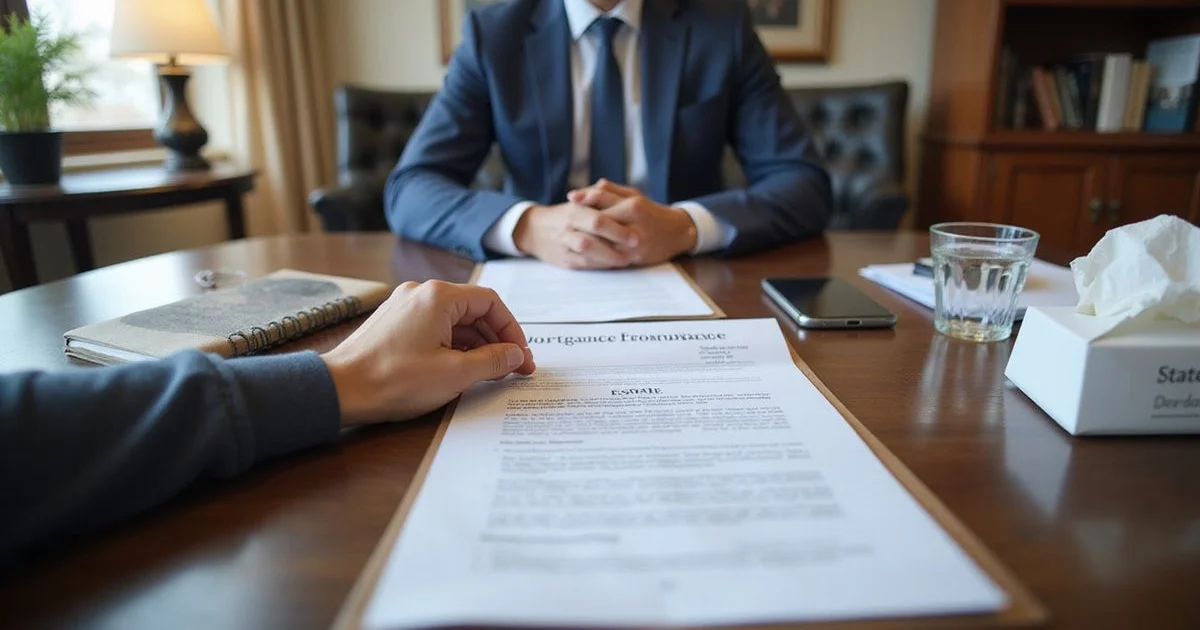
A death or a divorce changes a household overnight, but a mortgage lender’s expectations don’t automatically adjust to match. Understanding who’s actually responsible for the loan, and what steps protect the home, helps prevent a personal crisis from turning into a foreclosure.
After the death of a spouse
If both spouses were named on the mortgage, the surviving spouse typically remains responsible for the payments and can usually continue making them without the loan being called due, thanks to federal protections that prevent lenders from automatically accelerating a loan just because a co-borrower died. If only the deceased spouse was on the loan, the surviving spouse or heirs generally have a right to continue payments and eventually assume or refinance the loan, though the exact process depends on the loan type and whether the estate is in probate.
After a divorce
A divorce decree can assign the house and mortgage responsibility to one spouse, but that agreement is between the two spouses. It doesn’t bind the mortgage lender, who can still pursue either original borrower for payment if the loan hasn’t been refinanced into one name. This is one of the more common and costly misunderstandings in divorce settlements: someone assumes they’re off the hook because a court document says so, only to find their credit damaged when their ex-spouse misses payments on a loan they’re still legally attached to.
The refinance step people often delay
Removing a name from a mortgage generally requires refinancing the loan entirely in the remaining spouse’s name, which depends on that spouse qualifying based on their own income and credit. This step is often delayed during the emotional weight of a divorce or after a death, but delaying it extends the window where both parties, or an estate, remain financially exposed to missed payments neither may be actively tracking. Whether a real estate attorney should handle that refinance and any title questions is worth weighing on its own; see do you need a real estate attorney for how to think about that decision.
| Situation | Who’s responsible to the lender | Key step to take |
|---|---|---|
| Both spouses on loan, one dies | Surviving spouse continues, generally protected from acceleration | Confirm servicer has updated records, continue payments |
| One spouse on loan, dies, other inherits | Surviving spouse or heir has right to continue and assume | Contact servicer about assumption or refinance options |
| Divorce, house awarded to one spouse | Both original borrowers still liable until refinanced | Refinance into one name as soon as possible |
| Missed payments during transition | Lender enforces regardless of personal circumstances | Keep payments current or contact servicer immediately if not possible |

If foreclosure risk is already developing
If missed payments have already started during a divorce or estate settlement, contacting the servicer immediately matters more than waiting for the legal or family situation to fully resolve. Servicers generally don’t pause enforcement for personal circumstances, and an attorney who handles real estate and title matters can help sort out ownership and refinancing questions alongside a housing counselor addressing the payment side.
Compare attorneys who handle real estate and title matters, check our methodology for how listings are evaluated, or return to the homepage for other resources.
FAQ
- Does a mortgage automatically transfer to the surviving spouse when one spouse dies?
- The mortgage debt itself doesn't disappear, but many mortgages allow a surviving spouse or heir to continue making payments and eventually assume or refinance the loan without triggering an automatic due-on-sale acceleration, particularly under federal protections for surviving family members.
- Who is responsible for mortgage payments during a divorce?
- Whoever is named on the loan remains legally responsible to the lender regardless of what a divorce decree says about who keeps the house. A divorce settlement dividing responsibility doesn't change what the mortgage lender can enforce against either borrower.
- Can a mortgage be refinanced to remove an ex-spouse's name?
- Yes, typically through a refinance in the remaining spouse's name alone, assuming they qualify based on income and credit. Until that refinance happens, both original borrowers usually remain liable even after a divorce is final.
- What happens if mortgage payments are missed during a divorce or after a death while things get sorted out?
- The mortgage servicer generally doesn't pause enforcement just because a divorce or estate is being settled. Missed payments can lead to foreclosure proceedings regardless of the personal circumstances, so keeping the loan current matters even during a difficult transition.