Do you need a real estate attorney to buy or sell a home?
By Janice · Updated 2026-07-31
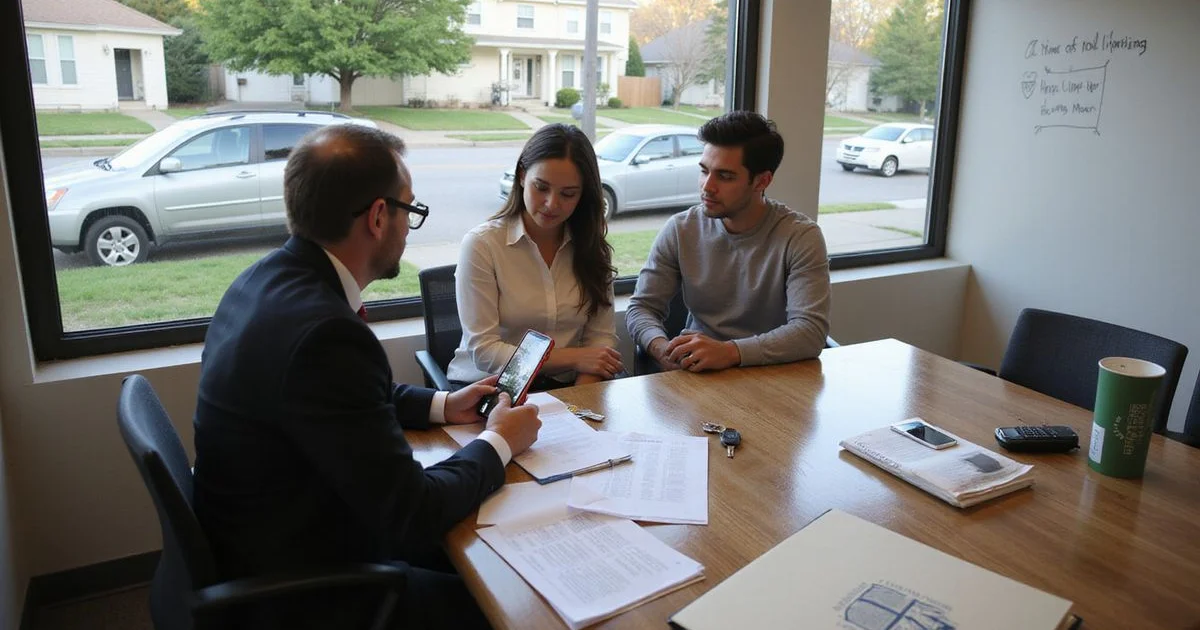
Buying or selling a home is one of the largest transactions most people ever make, and the paperwork involved is not designed to be read casually. A real estate attorney’s job is to sit on your side of that paperwork, which is different from what a real estate agent or a title company does.
What a real estate attorney actually reviews
An attorney typically reviews the purchase contract before you sign, checks the title report for liens or ownership gaps, confirms that survey and zoning issues won’t affect your use of the property, and handles the closing itself, including preparing or reviewing the deed and settlement statement. If a problem turns up, such as an old lien that was never released or a boundary dispute with a neighbor, the attorney negotiates a resolution before closing rather than after you own the problem.
How that differs from an agent or title company
A real estate agent represents your interest in finding and negotiating the deal, but is not a lawyer and generally cannot give legal advice on contract language. A title company insures against certain title defects and manages the closing logistics, but it represents the transaction, not you personally. An attorney is the only party in most closings whose sole job is protecting your specific legal interest.
| Role | Primary job | Represents you personally? |
|---|---|---|
| Real estate agent | Finds the property, negotiates price | Yes, on the deal terms |
| Title company | Insures title, runs closing logistics | No, represents the transaction |
| Real estate attorney | Reviews contract, resolves legal issues | Yes, specifically on legal matters |
When hiring one matters most
A standard, uncomplicated purchase between cooperative parties carries less legal risk. The calculation changes with a short sale, a property with a lien or judgment attached, an estate sale, new construction with a builder’s contract, or any deal where the seller is behind on the mortgage. In those situations, contract language and timing decisions can have consequences that aren’t obvious until after closing. A mortgage that’s changing hands because of divorce or the death of a spouse raises its own set of questions, covered in what happens to a mortgage after divorce or death.

Questions to ask before hiring
Ask what the flat fee covers and what triggers additional charges. Ask how many closings the attorney handles in your specific situation, such as short sales or estate transfers, since experience with your transaction type matters more than general real estate experience. Ask directly how quickly they respond to calls and emails during the process, since responsiveness during a time-sensitive closing is one of the most common sources of frustration homeowners report.
Buying or selling real estate that’s connected to an active foreclosure adds another layer of lender approval and deadlines, which is where a title-focused attorney’s experience becomes especially valuable. Browse our real estate and title attorneys to compare options, or check our methodology for how these listings are scored. You can also head back to the homepage to browse by other practice areas.
FAQ
- Is a real estate attorney required to buy a house in New York?
- In many parts of New York, attorney involvement in a residential closing is standard practice, and some counties effectively require it because title companies and lenders expect an attorney to review the contract. Requirements vary by state, so confirm local practice.
- What does a real estate attorney do that a title company doesn't?
- A title company insures the title and handles the closing mechanics. An attorney represents your interests specifically, reviewing the contract, negotiating terms, and flagging issues like liens, easements, or zoning problems before you're bound to them.
- How much does a real estate attorney cost for a closing?
- Fees vary by market and complexity, often a flat fee for a standard residential purchase and higher for commercial deals, short sales, or transactions with title defects. Ask for a quote before the contract is signed, not after.
- Do I need a real estate attorney if I'm selling a home in foreclosure?
- Often yes. Selling a property already in foreclosure, or negotiating a short sale, usually involves lender approval and paperwork that benefits from legal review beyond what a standard listing agent handles.