Selling a house in foreclosure: your options before the auction date
By Janice · Updated 2026-08-10
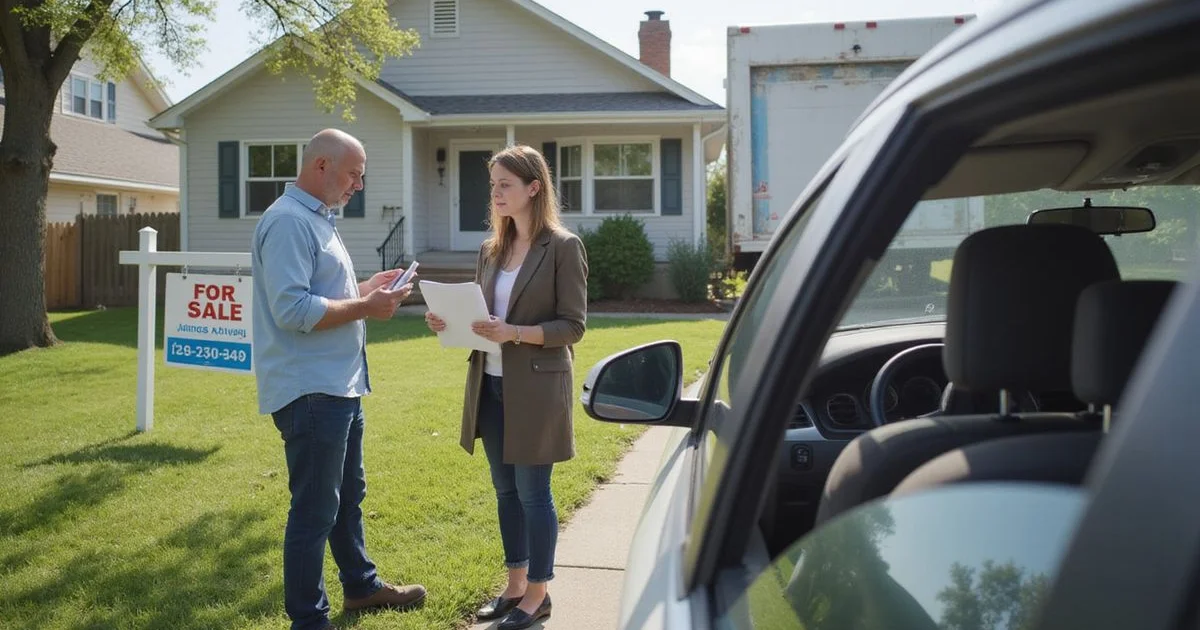
Once a foreclosure case is underway, a homeowner still has more control over the outcome than it might feel like, mainly through selling the property before the auction happens. The right option depends on how much time is left and how much equity, if any, remains.
Traditional sale, if there’s still time and equity
If enough time remains before a scheduled sale and the home has equity above what’s owed, a standard listed sale is usually the best financial outcome. It requires cooperation from the lender to provide a payoff statement and, if a sale is imminent, coordination to close before the auction date. This route works best started as early as possible, since a rushed traditional sale under deadline pressure often means accepting a lower price.
Short sale, when the mortgage exceeds the home’s value
A short sale means selling for less than what’s owed, with the lender agreeing to accept that shortfall and release the lien. Lenders don’t have to approve a short sale, but many prefer it to completing a foreclosure, since it typically costs the lender less than the auction and holding-cost process. The tradeoff is time: short sale approval can take weeks, so this needs to start well before a scheduled auction date, not in the final days. For a closer look at how that tradeoff compares in dollar terms, see short sale vs. letting a foreclosure happen.
Deed-in-lieu, when a sale isn’t realistic
A deed-in-lieu of foreclosure means voluntarily transferring the property title to the lender instead of pursuing a sale. It’s typically faster than a short sale and can be a reasonable option when there’s no buyer interest, no time left, or no equity to protect. It generally forfeits any remaining equity and doesn’t guarantee the lender won’t still pursue a deficiency, so confirm those terms in writing before agreeing.
| Option | Best when | Typical timeline | Keeps any equity? |
|---|---|---|---|
| Traditional sale | Equity exists, enough time remains | Weeks to a couple of months | Yes |
| Short sale | Mortgage exceeds home value | Several weeks for lender approval | No |
| Deed-in-lieu | No time or buyer interest left | Often faster than a short sale | No |

Coordinating with your lender and an attorney
Every option here requires the lender’s cooperation in some form, whether that’s a payoff statement, short sale approval, or a deed-in-lieu agreement. An attorney experienced in these negotiations can push back when a servicer stalls, confirm the terms of a deed-in-lieu protect you from a later deficiency claim, and keep the sale timeline realistic against the actual court deadline for the auction.
Acting early matters more than which option you pick
The single biggest factor in how well any of these options works is how much time is left when you start. A short sale attempted with two weeks before an auction rarely succeeds. The same short sale started three months out has a real chance. If a sale date has already been set, confirm the exact deadline with the court and move quickly.
Compare attorneys who handle short sale and deed-in-lieu negotiation, review our methodology for how listings are scored, or return to the homepage for other resources.
FAQ
- Can I sell my house after a foreclosure case has started?
- Yes, up until the sale actually closes in most cases. Selling before the auction usually gives you more control over the price and outcome than letting the auction happen.
- What's the difference between a short sale and a deed-in-lieu of foreclosure?
- A short sale involves selling to a third-party buyer for less than the mortgage balance, with lender approval. A deed-in-lieu means transferring the property directly to the lender instead of selling it to anyone else, which is faster but gives up any chance of recovering equity.
- Will selling before foreclosure protect my credit more than letting it go to auction?
- Generally yes, though both a short sale and a completed foreclosure show up on a credit report. A short sale or deed-in-lieu is often viewed somewhat less severely by future lenders than a completed foreclosure sale, but the difference is not always large.
- Do I need lender approval to do a short sale?
- Yes. The lender has to agree to accept less than what's owed, which requires submitting financial documentation and often takes weeks to negotiate, so starting early matters.