Foreclosure laws and homeowner rights in New York
By Janice · Updated 2026-07-27
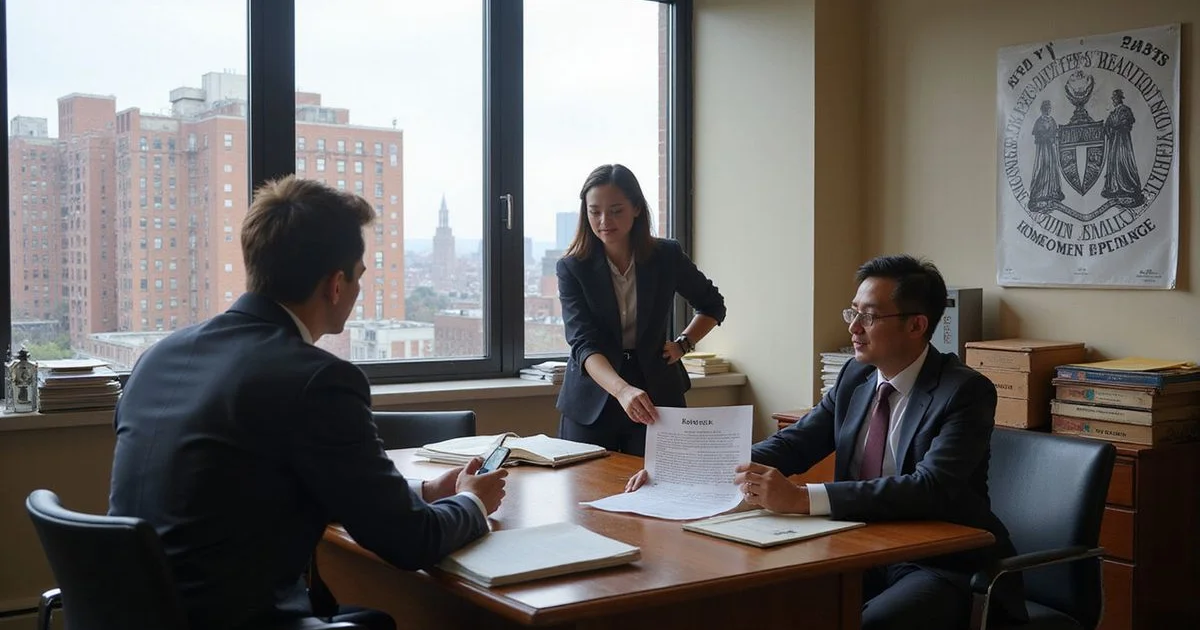
New York gives homeowners more procedural protection than many states, mainly because it is a judicial foreclosure state: a lender must sue and win in court before a home can be sold. That process comes with specific rights built into it, and knowing them changes how you respond to each letter that arrives.
This is general information about New York law, not legal advice for your specific situation. Foreclosure timelines and defenses depend on your loan documents, your county, and the judge assigned to your case, so confirm anything time-sensitive with an attorney or the court directly.
The pre-foreclosure notice requirement
For most owner-occupied homes with one to four units, a lender must send a 90-day notice before filing a foreclosure lawsuit. It has to state the amount needed to cure the default, warn that foreclosure could follow, and list at least five approved housing counseling agencies. If a lender skips this notice or gets it wrong, that can be a real defense raised in court, so keep the letter rather than discard it.
The right to answer and raise defenses
Once you’re served with a summons and complaint, you generally have a limited window to file an answer. This matters more than it sounds: an answer can raise defenses such as improper service, errors in the loan’s paperwork, or a servicer’s failure to follow required notice steps. Homeowners who don’t answer risk a faster default judgment with none of those issues considered.
The mandatory settlement conference
New York law requires an early settlement conference in most residential foreclosure cases, held before a judge or a court-appointed referee. Its purpose is to explore alternatives such as a loan modification, repayment plan, or short sale before the case proceeds to full litigation. Bringing income documentation, a hardship letter, and a clear ask gives this session actual weight instead of treating it as a formality.
Reinstatement and redemption rights
New York allows a homeowner to reinstate a mortgage, meaning pay the full arrears plus allowed fees, up until shortly before a judgment is entered in many cases. There is also a limited post-judgment right to redeem before a sale actually closes. These windows are narrow and fact-specific, so verify exact deadlines with the court clerk or your attorney rather than assuming a general rule applies.
| Right or protection | When it applies | Why it matters |
|---|---|---|
| 90-day pre-foreclosure notice | Before a lawsuit is filed | Time to seek a modification or counseling |
| Right to file an answer | After being served | Preserves defenses, slows a default judgment |
| Mandatory settlement conference | Early in the court case | Structured chance to negotiate a workout |
| Reinstatement | Before judgment, case-dependent | Pay arrears to stop the case |
| Redemption | Narrow post-judgment window | Last opportunity before a sale closes |
Using these rights effectively
None of these protections work automatically. A missed answer deadline, a settlement conference attended without documentation, or a reinstatement offer made too late can waste a right that existed on paper. An attorney who works foreclosure cases regularly can flag which of these applies to your loan type and county court, since local practice varies more than most homeowners expect.
For a broader look at how the surrounding states compare, see how we score the foreclosure attorneys listed on this site, or check our methodology for how listings are evaluated.
FAQ
- Does a lender have to notify me before starting foreclosure in New York?
- Yes, for most owner-occupied one-to-four unit homes, lenders must send a 90-day pre-foreclosure notice with the amount owed and information about housing counseling before filing suit.
- Can I stop a foreclosure by making a partial payment?
- A partial payment alone usually will not stop a filed case; you generally need to cure the full default or reach a written agreement with the servicer. Talk to a housing counselor or attorney before assuming a partial payment resolves anything.
- What is the right of redemption in New York?
- New York gives homeowners a right to reinstate the loan by paying the full arrears before judgment, and in limited circumstances a right to redeem after judgment but before the sale closes. The exact window depends on your case.
- Do I have the right to a court-appointed attorney in foreclosure?
- No. Foreclosure is a civil matter, so there is no automatic right to free counsel the way there is in criminal cases, though free or low-cost legal aid is often available for qualifying homeowners.