Foreclosure help for seniors on a fixed income
By Janice · Updated 2026-08-20
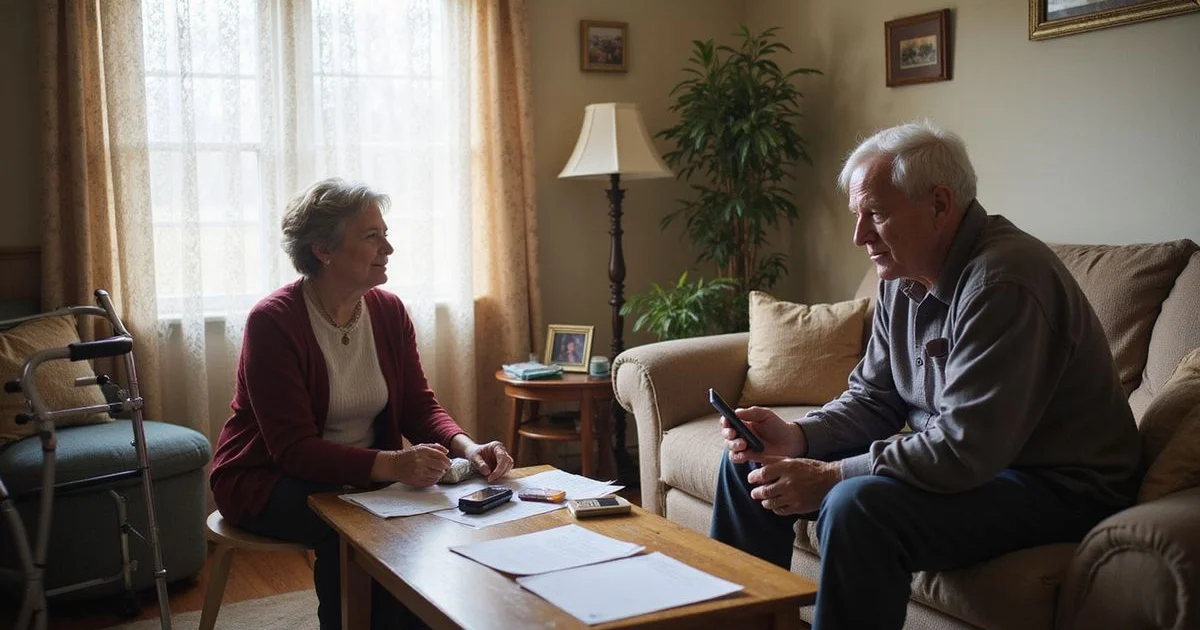
Foreclosure on a fixed income presents a different set of challenges than a working-age homeowner facing a temporary hardship. Income generally isn’t going to increase, which changes which programs are actually a fit and which ones were designed around an assumption that doesn’t apply.
Why standard loan modifications sometimes don’t fit
Many loan modification programs are built around demonstrating an ability to sustain payments, sometimes assuming income could grow or stabilize after a temporary setback. A senior living on a fixed Social Security or pension income doesn’t have that same growth trajectory, which can make a standard modification harder to qualify for, even when the senior is otherwise a reasonable candidate for some form of payment relief. Ask servicers directly whether they have a specific hardship or fixed-income program rather than assuming the standard modification path is the only option.
Reverse mortgages carry their own foreclosure risk
A reverse mortgage doesn’t require monthly payments, but it does require the borrower to keep up with property taxes, homeowners insurance, and basic home maintenance. Falling behind on any of those can trigger a default and eventual foreclosure, which surprises many seniors who assumed a reverse mortgage removed foreclosure risk entirely. If a reverse mortgage is heading toward default, a housing counselor experienced in reverse mortgage servicing is a useful first call.
Property tax relief programs
Unpaid property taxes can lead to foreclosure separately from a mortgage default, and many states and counties offer senior-specific exemptions, deferral programs, or tax freezes that reduce this risk. Eligibility rules and application deadlines vary significantly by location, so checking with your local assessor’s office is worth doing even if the immediate concern is the mortgage rather than taxes. For broader free and low-cost resources beyond property tax relief, see free and low-cost foreclosure help.
| Situation | Where to look first | Why it fits |
|---|---|---|
| Standard mortgage default on fixed income | Servicer’s hardship department, HUD-approved counselor | May offer fixed-income-specific options |
| Reverse mortgage heading toward default | Reverse mortgage counselor | Specialized knowledge of tax and insurance defaults |
| Unpaid property taxes | Local tax assessor’s office | Senior exemptions or deferral programs |
| Suspected scam or pressure to sign documents | State attorney general’s consumer protection office | Verifies legitimacy before anything is signed |

Watching for exploitation
Seniors facing foreclosure are frequently targeted by scams offering guaranteed rescue for an upfront fee, or pressure to sign over a deed in exchange for vague promises. Legitimate help doesn’t require payment before services are rendered, and any request to transfer property ownership as part of a “solution” deserves independent legal review before signing anything.
When to bring in an attorney
If the situation involves a reverse mortgage dispute, a disputed tax lien, or an active foreclosure lawsuit, an attorney experienced with senior homeowners can evaluate options a general modification review might miss. Family members can help gather documents and attend meetings, but the decisions remain the homeowner’s as long as they’re able to make them.
Compare foreclosure attorneys on this directory, or check our methodology for how listings are evaluated.
FAQ
- Can a senior on Social Security qualify for a loan modification?
- Sometimes, though many modification programs assume a path to sustainable payments based on income that might grow, which doesn't always fit a fixed income. Some servicers have specific hardship options that better match a fixed-income situation, so ask directly.
- What happens if a reverse mortgage goes into foreclosure?
- Reverse mortgages typically become due when the borrower no longer lives in the home, passes away, or fails to pay property taxes and insurance, which are still required even without a monthly payment. Missing those obligations is a common and often overlooked path to foreclosure on a reverse mortgage.
- Are there property tax relief programs for seniors that could prevent foreclosure?
- Many states and counties offer senior property tax exemptions, deferrals, or freezes. If unpaid property taxes are contributing to a foreclosure risk, checking eligibility for these programs is worth doing early.
- Should an elderly homeowner be worried about financial exploitation during this process?
- Yes, seniors facing foreclosure are a common target for scams promising guaranteed rescue in exchange for upfront fees or a transferred deed. Verify anyone offering help through an official state or federal housing resource first.